Walk-In Tubs for Safer, Easier Bathing
Say you stepped out of the tub last week and your foot slid on the wet floor. You caught the towel bar, your heart pounded, and nothing was hurt. That small scare is often the moment people start asking about walk-in tubs.
A walk-in tub has a low entry, a watertight door, and a built-in seat. You sit down, the tub fills, and you stay warm and steady the whole time. Morerejected Walk-In Tubs is a referral service. We connect homeowners across the Concord area with independent local providers who survey the bathroom, explain the options, and do the work. Requesting an estimate carries no obligation, so you can learn what fits before you decide anything.
When the Tub Wall Starts to Feel Too Tall
Picture a normal evening. You run a bath, lift one leg over the side, and your knee tells you it would rather not. You hold the wall and make it in. Then you wonder how many more times that will work.
That feeling is worth listening to. A standard tub wall is often 14 to 18 inches high. A walk-in tub has a door, so the step is only a few inches. Many people look into one after a slip, a fall, or a close call. Others simply see it coming and plan ahead.
Breathe, Then Plan: The First Hour
Say a fall just happened. First, check for pain. If you or someone else is hurt, get medical help before anything else. Everything below can wait.
Once everyone is safe, keep the next steps small:
- Dry the floor and put down a non-slip mat for now.
- Take a few photos of the bathroom, including the tub and the space around it.
- Write down what felt hard, such as the step, the stand-up, or the slick floor.
- Skip long baths until you have a plan.
That is enough for hour one. A short list beats a long worry.
Who a Walk-In Tub Suits
Think of someone with stiff knees who loves a long soak. Or a person recovering from surgery who needs a seat and a handhold. Or a couple who want the bathroom to still work for them in ten years.
Walk-in tubs often suit:
- Older adults who want to keep bathing on their own
- People with arthritis, balance trouble, or limited leg strength
- Anyone who finds a shower stall too short on comfort
- Families helping a parent stay in their own home
If you cannot sit on a low seat or need help to transfer, ask a provider about other options too.
Features Worth Knowing
Walk-in tubs come with a menu of options. A few matter more than the rest.
The Door and Its Seal
The door is the heart of the tub. It swings inward or outward, and it seals with a gasket. Ask which way it opens and whether your bathroom has room for it. In a small bungalow bath, that swing space can decide the whole layout.
Seat, Grab Bars and Floor
Look for a seat at a comfortable height, solid grab bars, and a textured floor. Some tubs also add a handheld sprayer, which helps when you want to rinse without sitting in a full tub.
Soaker, Jetted and Combination Models
A soaker tub is the simple one. It fills with warm water and that is all. It tends to cost less and has fewer parts to maintain.
A jetted tub adds water or air jets. Some people find them soothing for sore joints. Others never use them. Jets also mean more plumbing to clean and service.
A combination model offers both. Think about how you would really use it. Say you soak twice a week after a long day outdoors. Jets might earn their place. If you mostly want safe, easy washing, a soaker may be plenty.
What the Installation Involves
Picture a work day, or a couple of them. The provider removes the old tub, checks the walls and floor, and sets the new unit in place. Then the plumbing and drain are connected, and the tub is tested for leaks.
Plumbing, Floor and Space
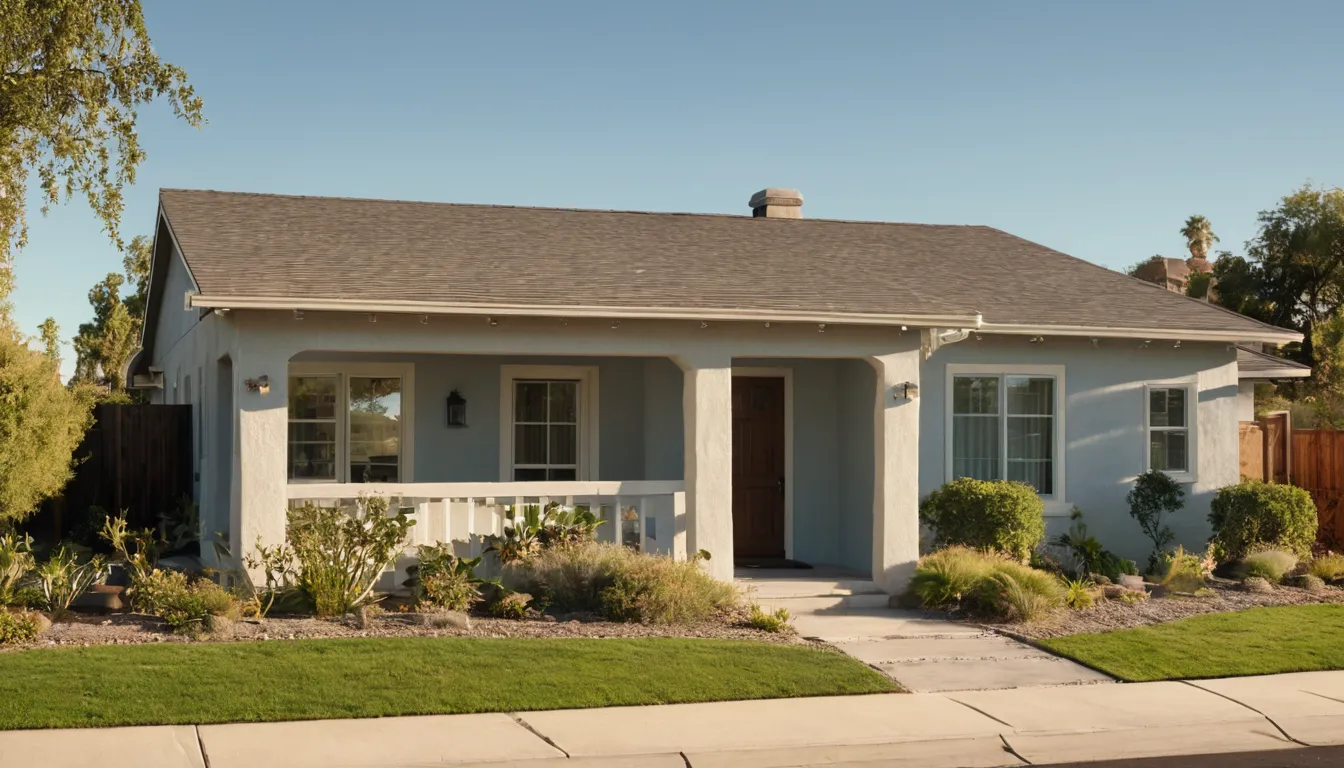
Many homes in the region are stucco ranches built on slabs. Drains sit in the concrete, so a provider needs to plan around them. Raised foundations are often easier to reach from below. Older bungalows may have narrow doorways, which affects how the tub gets inside. A good provider measures all of this before quoting.
Expect some noise and dust. Ask about wall repair, trim, and cleanup so nothing surprises you.
Check the Water Heater First
Here is a small scene that catches people off guard. You sit in the new tub, the door is sealed, and the water starts to cool. You cannot leave until it drains, so you wait, chilly.
Most walk-in tubs hold a lot of water, often 40 to 80 gallons. A small tank may run out before the tub is full. Ask the provider to compare the tub's size with your water heater. Some homes need a larger tank or a different heater. Also ask how long the tub takes to drain, since you stay seated until it does.
Questions to Ask the Provider
Bring a short list to the visit. It keeps the talk calm and clear.
- What is the full price, in writing, including removal and cleanup?
- Does the quote cover plumbing, electrical, and wall repair?
- How long does the tub take to fill and to drain?
- What does the warranty cover, and who handles service?
- Will my water heater keep up?
- Is the door a good fit for my bathroom layout?
Get more than one written quote if you can. Prices and details vary by job.
Living With a Walk-In Tub
Say it is a few months later. You step in, close the door, press the button, and sit while the water rises. When you finish, you wait for the drain, then step out. It becomes a quiet routine.
A few habits help. Rinse the tub after use. Wipe the door seal now and then. Keep a robe or warm towel within reach, since you will wait a bit before leaving. If you use jets, run the cleaning cycle the maker suggests.
Some policies may cover certain home changes, but many do not. Check your own policy, and ask providers what paperwork they can supply.
Bring the Bather Into the Decision
Imagine a grown child choosing a tub for a parent, and the parent finds out later. It rarely goes well. The person who will use the tub should sit in it, try the seat height, and test the door.
Ask them what feels scary now. Ask what they enjoy about bathing. Those answers matter more than any feature list. A provider can often arrange a showroom visit or bring samples, so the choice is shared and unhurried.
What's Included
Low Step-In Entry
A watertight door means a short step instead of a climb over a tall tub wall.
Built-In Seat
Sit while the tub fills and drains, so legs and balance get a rest.
Grab Bars and Grip
Sturdy handholds and a textured floor give your hands and feet something steady to trust.
Soaking or Jets
Choose a simple soaker, a jetted tub, or a combination model to suit you.
Typical Walk-In Tub Cost Ranges
These are typical U.S. ranges and they vary a lot by tub, home, and job. Treat them as a starting point, and ask each provider for a written quote that lists everything.
| Item | Typical range | Notes |
|---|---|---|
| Basic soaker walk-in tub | $3,000 – $7,000 | Unit and standard installation |
| Jetted or combination tub | $5,000 – $12,000 | More parts and plumbing |
| Plumbing and drain changes | $500 – $3,000 | Slab homes may cost more |
| Electrical work | $300 – $1,500 | Needed for jets or heaters |
| Water heater upgrade | $900 – $3,500 | Only if the tank is too small |
| Wall and floor repair | $500 – $3,000 | Depends on what is found |
How It Works
Make It Safe
Dry the floor, use a non-slip mat, and get medical help if anyone was hurt.
Reach a Provider
Request a callback to check provider availability, or send the estimate request.
Show Your Bathroom
Share photos and measurements, then talk through the layout and options.
Compare Written Quotes
Look at price, timing, and warranty, then choose when you feel ready.
Why Call Morerejected Walk-In Tubs
Independent Providers
Local, independent providers in the network do the surveying and the work, so you deal with the person doing the job.
Less Searching
Skip the long hunt and reach a provider while the worry is small.
Plain Talk
Providers explain options in simple words, with no pressure to decide quickly.
No Obligation
Request an estimate, compare, and take your time. Nothing is required of you.
Other Services
Need walk-in tubs in Concord?
Tell us what feels hard in your bathroom. Request a callback to check provider availability, or send a request and get a no-obligation estimate.
No obligationWalk-In Tubs FAQ
How much does a walk-in tub cost?
Typical U.S. prices run from a few thousand dollars for a basic soaker to well over ten thousand for a jetted model with extra work. Get a written quote that lists every part of the job.
Will my water heater be big enough for a walk-in tub?
Maybe not. Many tubs hold 40 to 80 gallons, and a small tank can run out. Ask the provider to compare the tub size with your heater before you decide.
Does insurance pay for a walk-in tub?
Often it does not, but policies differ. Check your own policy and ask a provider what paperwork they can supply to support a claim.
Get in touch
Tell us what feels hard in your bathroom. Request a callback to check provider availability, or send a request and get a no-obligation estimate.
No obligation